
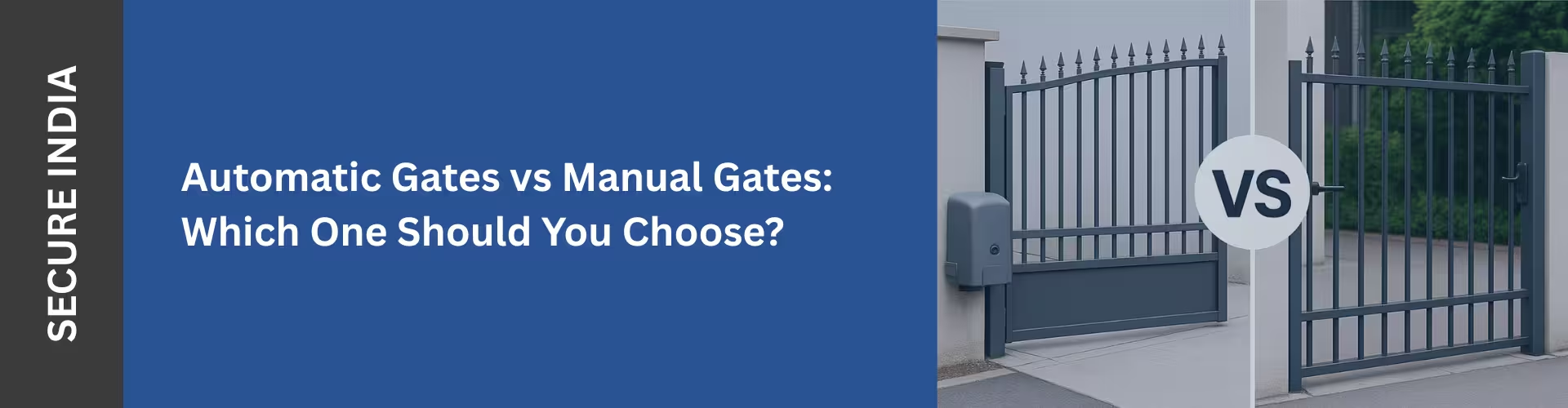
Automatic Gates vs Manual Gates: Which One Should You Choose?
Quick answer: Automatic gates use electric motors with remote/RFID/app control — best for high-traffic, high-security sites. Manual gates need no power and cost less upfront — best for low-traffic, budget-conscious properties. Choose based on traffic volume, security needs, and budget.
Choosing the right type of gate for your property is crucial for security, convenience, and long-term maintenance. The most common types are automatic gates and manual gates. Each comes with its advantages and limitations depending on your requirements and usage patterns.
What Are Manual Gates?
Manual gates require human effort to open and close. They can be sliding or swing-style and are commonly found in residential areas, small businesses, or locations with limited vehicle movement.
What Are Automatic Gates?
Automatic gates are powered by electric motors and operated through remote controls, sensors, RFID, or even mobile apps. They are ideal for commercial complexes, housing societies, factories, and high-traffic zones.
Comparison Table
| Feature | Manual Gates | Automatic Gates |
|---|---|---|
| Operation | Manual (human effort) | Motorized & remote controlled |
| Access Method | Push/pull or latch | Remote, RFID, ANPR, keypad |
| Security Level | Basic | High with surveillance integration |
| Speed | Dependent on person | Quick and smooth operation |
| Cost | Lower upfront cost | Higher initial investment |
| Power Supply | Not required | Required (electric or solar) |
| Maintenance | Low | Moderate |
| Convenience | Less | High (touchless, remote) |
Benefits of Manual Gates
- ✓ Low cost and easy to install
- ✓ No power source required
- ✓ Suitable for low-traffic and small properties
Benefits of Automatic Gates
- ✓ Enhanced security and monitoring
- ✓ Seamless access for vehicles and staff
- ✓ Ideal for high-traffic, modern properties
When to Choose Manual Gates?
- You have low daily traffic
- You're looking for budget-friendly options
- You don't need remote or smart access
When to Choose Automatic Gates?
- You want convenience and automation
- Security is a high priority
- You need integrated access systems
Frequently Asked Questions
What is the main difference between automatic and manual gates?
Manual gates require human effort to open and close and need no power source. Automatic gates are powered by electric motors and operated via remote controls, sensors, RFID, or mobile apps, offering higher security and convenience.
Are automatic gates more expensive than manual gates?
Yes, automatic gates have a higher initial investment due to motors, sensors, and power requirements. Manual gates have a lower upfront cost and are easier and cheaper to install.
Which gate type offers better security?
Automatic gates generally offer higher security since they can integrate with surveillance, RFID, and access control systems. Manual gates provide only basic security through a simple latch or lock mechanism.
Do manual gates require a power supply?
No. Manual gates do not require any power source since they are operated entirely by human effort. Automatic gates require an electric or solar power supply to function.
Which gate type should I choose for my property?
Choose a manual gate if you have low daily traffic and want a budget-friendly option. Choose an automatic gate if convenience, automation, and high security are priorities, especially for high-traffic commercial or residential properties.
Related Comparisons
- Sliding Gates vs Swing Gates
- Manual Boom Barriers vs Automatic Boom Barriers
- Bollards vs Crash Rated Gates
Manual gates are simple and economical for areas with low footfall or traffic. Automatic gates provide a more secure, convenient, and modern solution suitable for today's dynamic environments.
Still confused? Let Secure Innovative assist you with personalized gate system recommendations based on your property size, traffic, and security goals.


